RECEPTORS
A huge gene family
Work recognised by the 2004 Nobel Prize found some 1,000 genes for smell receptors, and showed each smell cell carries just one type.
See the numbers
 doodlesense
WHAT THE SCIENCE SAYS
1,000 receptor genes
Your nose does more of the tasting than your tongue.
Smell cells high inside the nose pick up molecules from the air and from food as you chew. Together they let us tell apart thousands of odours, and warn us about smoke, gas and food that has gone off.
Updated
Check a changeTHE SHORT ANSWER
Each smell cell knows only a few odours.
The brain reads the combination.
RECEPTORS
Work recognised by the 2004 Nobel Prize found some 1,000 genes for smell receptors, and showed each smell cell carries just one type.
See the numbersFLAVOUR
Aromas from food reach smell cells through a channel from the back of the throat. Block it with a cold and food tastes bland.
How it worksCHANGES
The NHS says a changed sense of smell is not usually serious and may get better in weeks or months. Smell training helps some people.
Check a changeGeneral information only, not medical advice. For advice about your own health, speak to a doctor, pharmacist or other qualified health professional.
A QUICK CHANGE CHECK
Pick a change to see its name and what the NHS and the US National Institute on Deafness and Other Communication Disorders say about it. The bar shows how much of the sense is affected.
General information from NHS and NIDCD pages, not a diagnosis. See a GP if your sense of smell does not return to normal in a few weeks.
TWO NUMBERS WORTH KNOWING
How much of our DNA goes on smell,
and how often it fades in later life.
≈ 1,000
Genes for smell receptors
The 2004 Nobel Prize announcement describes a gene family of some 1,000 genes, about three per cent of our genes, behind an equivalent number of smell receptor types.
RECEPTOR GENES · NOBEL ASSEMBLY
≈ 1in 4
Men aged 60 to 69 with a smell disorder, one study
NIDCD says nearly a quarter of men aged 60 to 69 had a smell disorder in one study, against about 11% of women of that age.
LATER LIFE · NIDCD
NIDCD says one to two percent of North Americans report problems with their sense of smell, and that problems increase with age.
FOUR THINGS TO KNOW

These come from NHS guidance and the smell loss charity AbScent, which the NHS points to. They are general information, not a treatment plan.
The NHS says smell may return to normal in a few weeks or months, often after a cold or infection clears.
See a GP if your sense of smell does not go back to normal in a few weeks. They can check for causes such as sinusitis or nasal polyps.
AbScent describes sniffing the same four scents every day, around 20 seconds each, usually for at least four months.
The NHS warns that without smell you may not notice gas leaks, fires or food that has gone off.
SMELL AND FLAVOUR
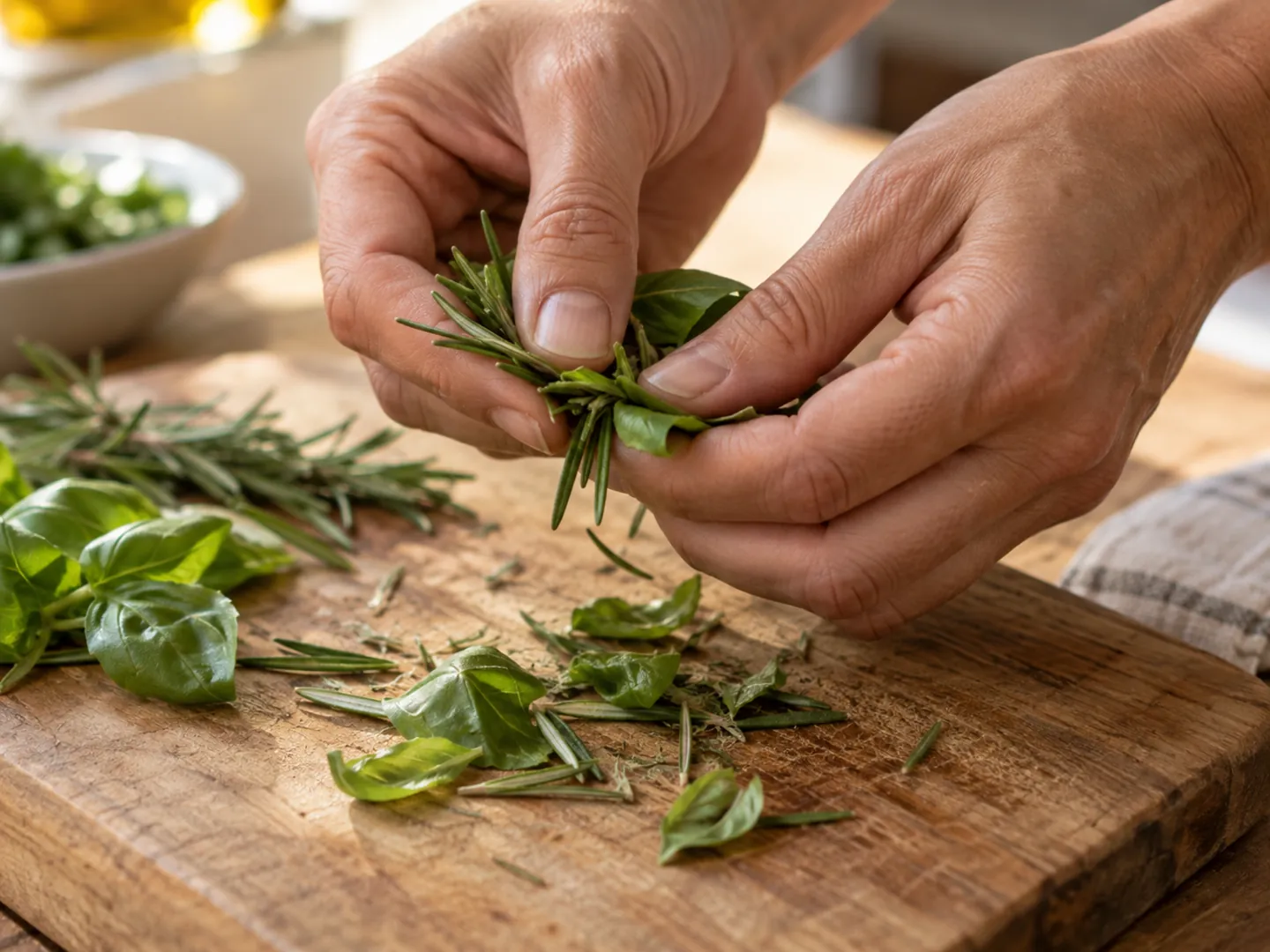
NIDCD explains that smells reach the smell cells through the nostrils and through a channel linking the roof of the throat to the nose. Chewing releases aromas that travel this second route, which is why a blocked nose makes food taste of little.
Some people who think they have lost their sense of taste find they have lost their sense of smell instead. The 2004 Nobel announcement notes that when something tastes really good, it is mainly the smell system that detects the qualities we enjoy.
Questions
The 2004 Nobel Prize announcement refers to recognising and remembering about 10,000 different odours, using around 1,000 types of smell receptor in combination.
A blocked nose stops aromas from chewed food reaching the smell cells through the channel at the back of the throat. NIDCD says without smell, foods tend to taste bland.
The NHS says it is not usually serious and may improve in weeks or months, but advises seeing a GP if it does not return to normal in a few weeks.
A routine of sniffing the same set of scents daily while concentrating on them. The NHS says it can help some people and points to the charities AbScent and Fifth Sense.
The Nobel announcement says the smell-sensing area in a dog's nose is some forty times larger than in humans.
Sources
ABOUT THIS NAME
doodlesense.com is part of the DoodleSale portfolio. It isn't in an auction right now, but you can ask about leasing it.